Overview
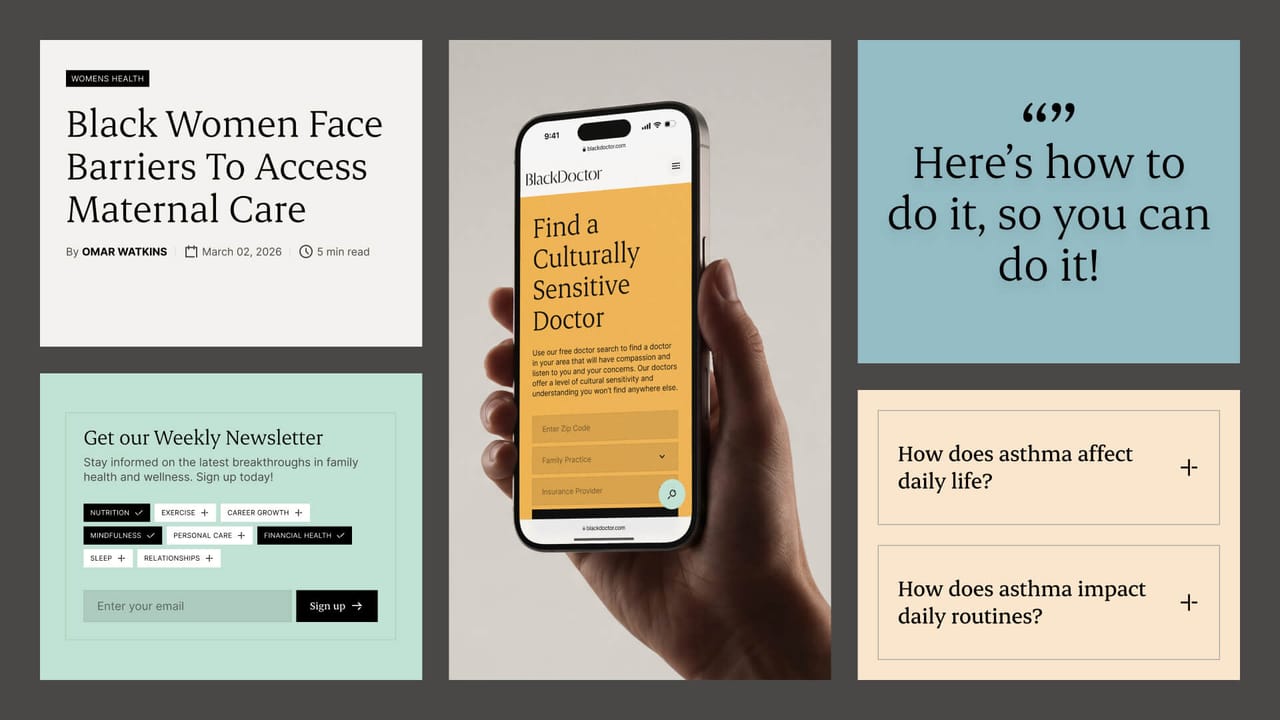
BlackDoctor is the largest digital health platform serving Black communities in the US, reaching 44 million users each year. After two decades, the brand had reached an inflection point. Its early identity remained in place, and the platform was still running on legacy technology — an experience that felt dated and out of step with the brand's ambition and a newly modern audience.
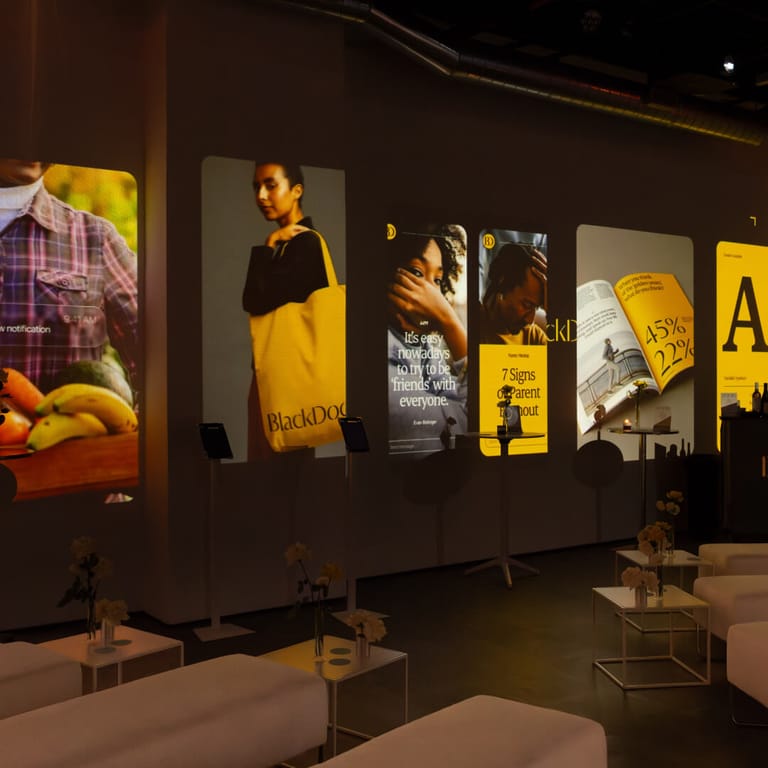
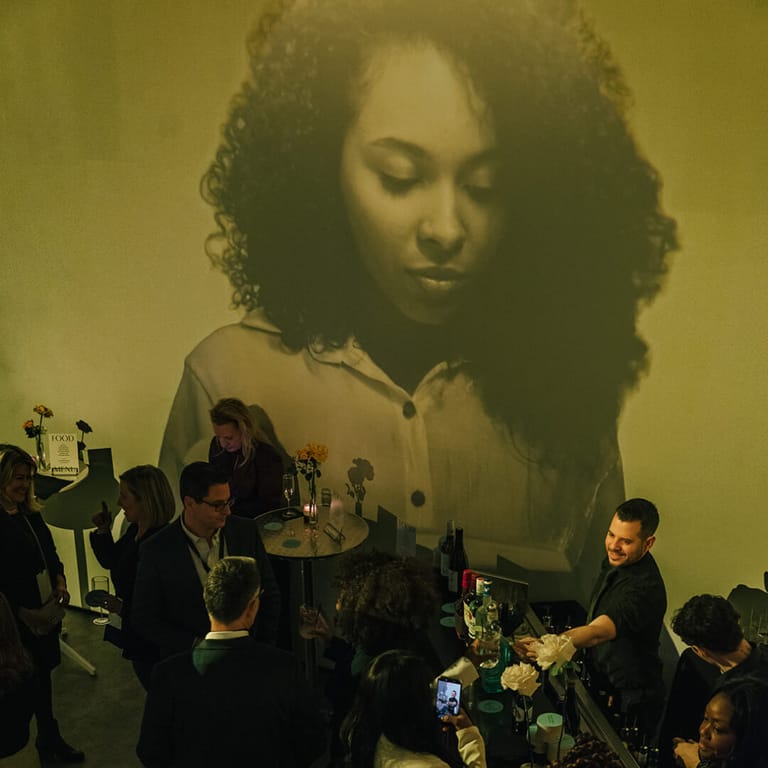
We led a full rebrand and platform transformation, from strategy through go-to-market, repositioning BlackDoctor as the definitive leader in Black health media. To build momentum ahead of the public reveal, we planned an immersive VIP preview in New York City that gave brand partners early access to the new brand experience. The result: two major partnerships signed and an 860% surge in audience growth.
Approach
Before any visual work began, we asked a more fundamental question: what must this brand come to represent for the people it serves?
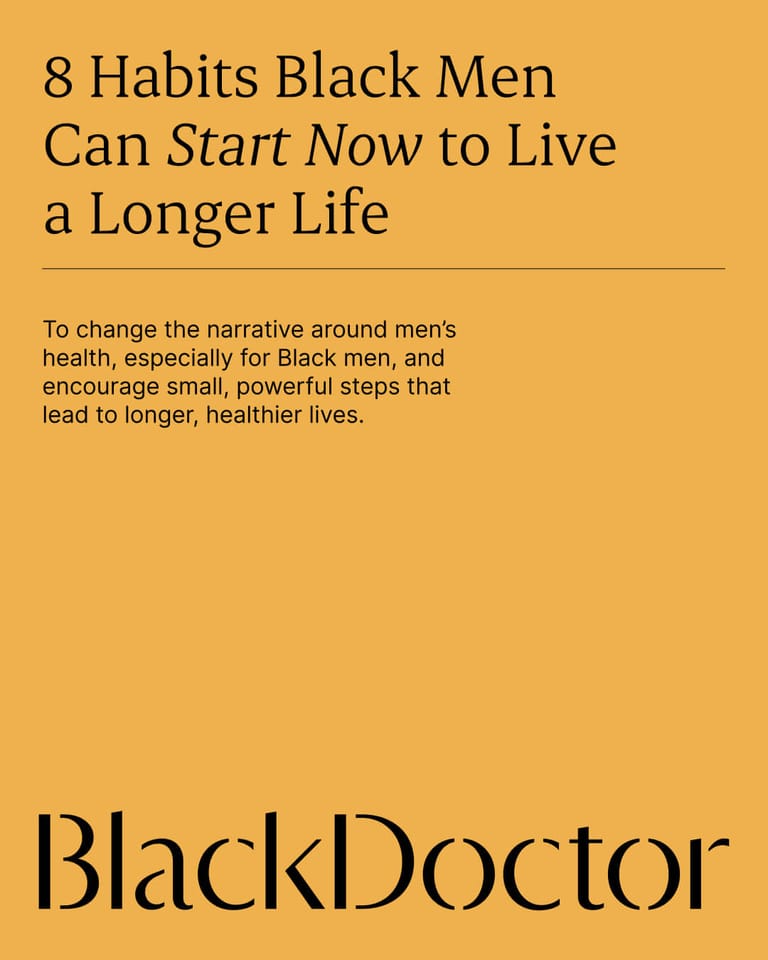
For many Black communities, the healthcare system is defined by a profound trust gap. BlackDoctor's role was to narrow that distance at every touchpoint. We rebuilt the editorial pillars, writing principles, tone of voice, art direction, and user experience around a single mission: to help every Black family thrive in health. The identity that followed reflected the community with sophistication and conviction, not because those qualities needed to be invented, but because the brand had not been expressing them with sufficient clarity.
We then redesigned the launch sequence. Rather than announce publicly and pursue commercial partners afterward, we staged a private VIP preview. An immersive brand experience that invited select partners and long-standing community ambassadors to step into the new world first. Every element was designed to move partners from curiosity to commitment in a single evening.
Outcomes
The rebrand did more than attract a larger audience. It attracted the right audience. Readership increased by 860%, and once people arrived, they spent 47% longer per session. That second metric matters most. It shows the new identity and platform sustain attention rather than simply winning the click.
The revised launch sequence also delivered commercial impact early. By inviting key partners to experience the new brand world first-hand at the VIP preview event, we secured two partnerships shortly after launch.
Momentum was equally clear across social. TikTok followers rose 10,400% and Facebook grew 248%, extending BlackDoctor's reach with a younger, more modern audience that the previous brand struggled to engage. Press coverage across Forbes, AfroTech, Yahoo, Black Enterprise, and MM+M further reinforced BlackDoctor's repositioning as the leader in Black health media.
Results
- 860% net audience growth
- 47% increase in average session duration
- 2 new brand partnerships signed
- 10,400% TikTok follower growth
- 248% Facebook follower growth
- Press: Forbes, AfroTech, Yahoo, Black Enterprise, MM+M